Answers to the 60 most common questions Clearwater homeowners ask about mold inspection, remediation, crawl space mold removal, and indoor air quality — from Florida's licensed mold experts.
What Clearwater homeowners need to know about professional mold inspections — from what's included and how much it costs to when you should get one and what to expect from the results.
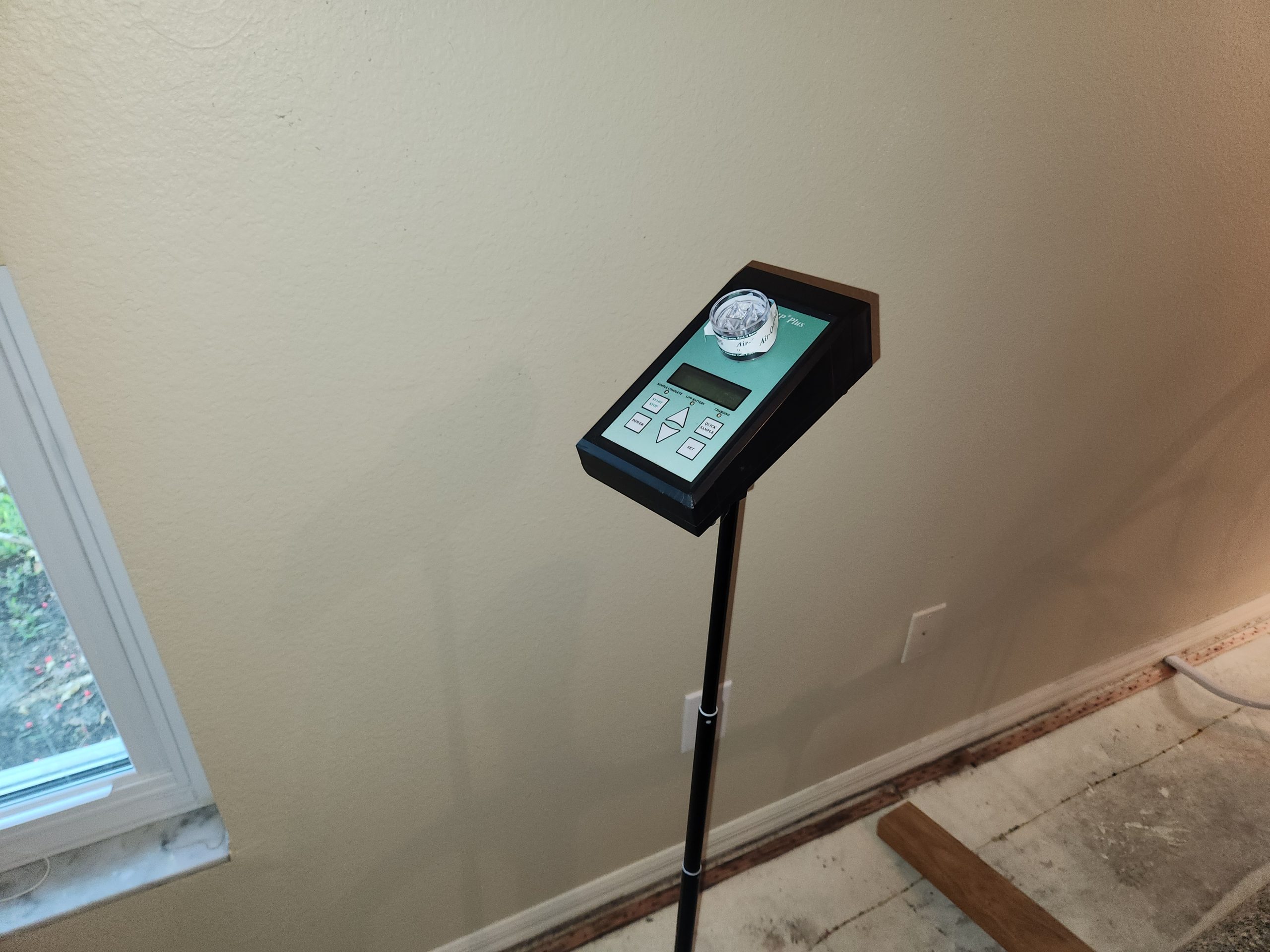
A professional mold inspection in Clearwater by TampaBayMold.net includes a full visual assessment of the property, moisture readings using a calibrated moisture meter and thermal imaging camera, collection of air and/or surface samples for certified laboratory analysis, documentation of all findings with photographs, identification of moisture sources contributing to any mold growth, and a written inspection report with laboratory results and recommendations. The report is delivered digitally and includes plain-language interpretation of all findings — not just lab numbers you have to decipher on your own.
Read the full article →A professional mold inspection in Clearwater with certified laboratory analysis typically costs between $350 and $575 for a standard residential property, depending on size and the number of samples required. This pricing includes the on-site inspection, sample collection, third-party certified laboratory analysis, and the written report with results and interpretation. Larger properties, multi-unit buildings, or inspections requiring a higher number of samples may fall in the $575–$1,175 range. Free visual inspections (without lab sampling) are available and can help determine whether a full sampling inspection is warranted.
Read the full article →A mold inspection in Clearwater is warranted in several key situations: after any water damage event (burst pipe, appliance leak, storm flooding, AC condensation overflow); if you or a family member experience unexplained respiratory symptoms, persistent coughing, or worsening allergies at home; before purchasing a home — particularly older properties or those with crawl spaces; after any period when the home was unoccupied with the air conditioning off; after a completed mold remediation to verify clearance; and if you detect a persistent musty odor without a visible source. Clearwater's coastal humidity means mold pressure here is among the highest in the Tampa Bay region.
Read the full article →A mold inspection is a comprehensive visual and physical assessment of the property — the inspector examines all accessible areas, uses moisture meters and thermal imaging to detect hidden moisture, and documents findings. Mold testing refers specifically to the collection and laboratory analysis of air or surface samples to quantify spore concentrations and identify species. A complete professional engagement includes both: the inspection identifies where to sample and what moisture conditions exist, while the lab testing provides objective data on what is actually present in the air and on surfaces. The combination gives you the complete picture needed to make informed decisions about remediation.
Read the full article →Thermal imaging (infrared camera) detects temperature differentials on wall and ceiling surfaces caused by moisture. Because moisture evaporates and cools surfaces as it dries, wet areas inside walls or ceilings appear cooler than surrounding dry areas on an infrared camera — revealing moisture intrusion that is invisible to the naked eye. This is particularly valuable in Clearwater homes where mold is often growing inside wall cavities, behind shower surrounds, around window frames in coastal-exposed walls, or above ceiling drywall — all locations where there is no surface sign of a problem until significant damage has occurred. Thermal imaging allows targeted sampling at the right locations and dramatically improves inspection accuracy.
Read the full article →A mold inspection is strongly recommended before purchasing any home in Clearwater — particularly older properties, homes with crawl spaces, homes near the water, or any property that has been vacant or experienced prior water damage. Standard home inspectors are not mold specialists and do not perform air sampling; their inspection may note visible mold or moisture concerns, but cannot assess hidden mold or quantify airborne spore levels. A dedicated mold assessment by a licensed mold assessor before closing gives you a complete picture of the property's mold status, potential remediation cost if issues exist, and objective documentation for negotiating repairs or price adjustments with the seller.
Read the full article →To prepare for a mold inspection, ensure all areas of the home are accessible — including closets, attic access points, crawl space entry, under sinks, and behind appliances. Run the HVAC system normally for at least 24 hours before the inspection (do not run air purifiers or extra ventilation, as this can dilute airborne spore counts and affect air sample accuracy). Do not clean, bleach, or paint over any suspected mold areas before the inspection — doing so can obscure findings and compromise sampling accuracy. Collect any documentation of prior water damage, leaks, or past mold issues to share with the inspector. The inspection itself is non-invasive and typically takes 2–4 hours.
Read the full article →Yes — HVAC inspection is a standard component of a thorough mold assessment. The inspector visually examines the air handler unit, evaporator coil, and drain pan for mold growth and moisture accumulation. Air samples collected from HVAC supply registers and return vents can detect elevated spore counts that indicate system contamination. In Clearwater's climate, HVAC systems run nearly year-round and create consistent condensation on the evaporator coil — making the air handler and drain pan one of the most common locations for hidden mold growth. A contaminated HVAC system actively distributes spores to every room every time the system runs, making this inspection component particularly important.
Read the full article →Air sampling uses calibrated pumps to capture a measured volume of air through a collection cassette, which is then analyzed by a laboratory to count and identify all mold spores present in the room's air — providing a quantitative measurement of what occupants are breathing. Surface sampling (swabs or tape lifts) identifies what mold species are growing on a specific visible surface — useful when discoloration or staining is present and species identification is needed. Air sampling answers "what is in the air throughout this space?" while surface sampling answers "what specifically is growing on this surface?" A complete assessment often uses both types, as each answers different questions. Air sampling is the primary tool for evaluating overall indoor air quality and hidden mold sources.
Read the full article →Yes. The Florida Department of Health requires mold assessors and mold remediators to hold separate state licenses under Chapter 468, Part XVI of Florida Statutes. A mold assessor license (MRSA prefix) is required to conduct inspections, collect samples, and write remediation protocols for regulated mold projects (those involving more than 10 square feet of visible mold). A mold remediator license (MRSR prefix) is required to perform the physical remediation work. TampaBayMold.net holds both licenses: Mold Assessor #MRSA783 and Mold Remediator #MRSR857, both valid through July 2028. Always verify a Florida mold company's licenses at myfloridalicense.com before engaging their services.
Read the full article →Air sample results show the concentration of mold spores per cubic meter of air, broken down by species, for each room sampled. Results are always compared to an outdoor control sample collected at the same time — indoor mold levels are evaluated relative to the outdoor baseline, not against an absolute number. Moderately elevated readings may indicate targeted cleanup and dehumidification are needed. Significantly elevated indoor spore counts, or the presence of toxigenic species at any meaningful concentration, typically indicate active mold growth requiring professional remediation. Your TampaBayMold.net report includes a plain-language interpretation of every finding.
Read the full article →The locations Clearwater homeowners most consistently overlook are: the interior of air handler units and drain pans inside HVAC systems; wall cavities behind shower surrounds in older homes with fiberglass surrounds over drywall; beneath refrigerators and dishwashers where slow drips go unnoticed for months; inside attic spaces near roof penetrations and ridge vents; and the underside of subfloor materials in bathrooms directly above crawl spaces. Clearwater's salt-air coastal environment also accelerates moisture intrusion around window frames and exterior wall penetrations — locations worth specific attention in beachside and waterfront properties. A professional inspection with thermal imaging and a borescope is specifically designed to find mold in these concealed locations.
Read the full article →Stachybotrys chartarum — commonly called "black mold" — is a toxigenic mold species that can produce mycotoxins harmful to human health, particularly with prolonged exposure at high concentrations. However, the term "black mold" is frequently misused — many other mold species appear black and are far less concerning, while Stachybotrys itself requires specific chronic wet conditions that not all homes have. The most important thing to understand is that you cannot determine the danger level of a mold colony by looking at it. Color and appearance are unreliable indicators of species and toxicity. Professional lab testing is the only accurate assessment. Any suspected mold growth should be evaluated by a licensed professional.
Read the full article →A standard residential mold inspection in Clearwater typically takes 2 to 4 hours on-site, depending on property size, the number of suspected problem areas, and whether a crawl space or attic inspection is included. Laboratory results from air and surface samples are typically returned within 3 to 5 business days, with 24-hour rush lab turnaround available for an additional fee. The complete written inspection report, including photos and lab results with interpretation, is delivered as soon as results are received. For urgent situations — such as an active real estate transaction — expedited service is available.
Read the full article →For a Clearwater home with no known mold history and no recent water damage, an annual or biennial inspection of high-risk areas — HVAC systems, crawl spaces, and bathrooms — is a reasonable maintenance schedule. Immediate inspections are warranted after any water damage event (including from storms or AC leaks), if any household member develops unexplained respiratory symptoms, before or after any real estate transaction, and after any mold remediation project (clearance testing). Clearwater's coastal humidity and year-round mold pressure means waiting for visible signs is never the right strategy — by the time mold is obvious, the infestation is typically already significant.
Read the full article →What Clearwater homeowners need to know about the mold remediation process — from what's involved and how long it takes to whether their insurance will cover it.

A professional mold remediation at TampaBayMold.net follows a structured five-step process: (1) Containment — sealing the work area with plastic sheeting and negative air pressure to prevent cross-contamination; (2) HEPA Air Filtration — commercial air scrubbers running continuously to capture airborne spores; (3) Removal — physically removing all porous materials (drywall, insulation, carpet) that are colonized beyond cleaning thresholds, bagged and disposed of per Florida regulations; (4) Treatment — EPA-registered antimicrobial disinfection of all affected surfaces, followed by TampaBayMold.net's patented polymer/silver-ion sealer to prevent recurrence; (5) Clearance Testing — third-party post-remediation air and surface sampling to confirm indoor spore levels have returned to acceptable ranges.
Read the full article →Mold remediation costs in Clearwater range from under $2,500 for small, surface-only, contained areas to $30,000+ for severe whole-home infestations. The average remediation project runs approximately $3,715, with most single-room jobs falling between $2,500 and $6,000. Attic and crawl space remediation typically runs $3,000 to $15,000 depending on extent. The per-square-foot rate across the industry is $10 to $30. Factors that drive cost include: size of the affected area, severity and depth of penetration into structural materials, location (attic and crawl space work is labor-intensive), and whether structural material removal is required. TampaBayMold.net always provides written estimates before any work begins.
Read the full article →Mold can return after remediation if the underlying moisture source that caused the original growth is not identified and corrected. A remediation that removes mold without addressing the moisture source is essentially cleaning a symptom while leaving the cause in place. TampaBayMold.net includes moisture source identification and correction guidance in every remediation project. Long-term prevention requires maintaining indoor humidity below 60% year-round, running the AC consistently (never turning it off when leaving for vacation), keeping the thermostat fan set to AUTO rather than ON, fixing any leaks or water intrusion immediately, and having HVAC systems and crawl spaces inspected annually.
Read the full article →Professional mold remediation — when properly performed — can eliminate an active Stachybotrys (black mold) colony and reduce indoor spore counts to acceptable baseline levels. The process involves containment, physical removal of contaminated porous materials, HEPA filtration, antimicrobial treatment, and post-remediation clearance testing to verify success. What remediation cannot do is make a home permanently mold-proof — mold spores exist everywhere in the environment, and new growth can occur if moisture conditions return. Clearance testing after remediation is the objective verification that the job was done correctly, and it is particularly important in Florida where ambient spore counts are already elevated.
Read the full article →Most residential mold remediation projects in Clearwater take one to five days of active remediation work. Small, contained jobs (a single bathroom or under-sink area) are typically completed in one to two days. Single-room or moderate jobs take two to three days. Multi-room or attic/crawl space projects typically require three to seven days. The timeline for a complete project — from inspection through clearance testing and lab results — is typically one to two weeks. Factors that extend the timeline include structural material removal and replacement, extended drying times (particularly in Clearwater's coastal humidity), and the need for multiple post-remediation testing rounds.
Read the full article →For most residential mold remediation projects, occupants do not need to vacate the entire home. The containment setup — plastic barriers with negative air pressure — is specifically designed to isolate the work area from the rest of the home so family members can remain in unaffected areas. For severe infestations involving multiple rooms, HVAC system contamination, or the presence of highly toxigenic mold species, temporary relocation of the entire household may be advisable. This is evaluated on a case-by-case basis and discussed with you before work begins.
Read the full article →Mold removal is simply wiping or cleaning visible mold from a surface — it treats the symptom. Mold remediation is a comprehensive process that addresses the full scope of a mold problem: it includes containment to prevent spread, physical removal of colonized materials, HEPA air filtration to capture airborne spores, antimicrobial treatment of affected surfaces, identification and correction of the moisture source, and clearance testing to verify success. The critical difference is that mold remediation proves it worked through objective third-party testing, and it fixes the conditions that allowed mold to grow — not just the mold itself. Surface cleaning without these steps almost always results in mold returning.
Read the full article →Post-remediation clearance testing (also called post-remediation verification, or PRV) is air and surface sampling conducted after a remediation project is complete, by a licensed mold assessor who was not involved in the remediation work. In Florida, this independent assessor requirement applies to regulated mold projects involving more than 10 square feet of visible mold. The testing confirms that indoor spore counts have returned to levels at or below outdoor baseline concentrations. Clearance testing is strongly recommended for all remediation projects — it is the only objective proof that the job was done correctly. It is also typically required for insurance claims and real estate transactions.
Read the full article →Florida homeowner's insurance coverage for mold remediation is highly conditional. Policies generally cover mold costs only when mold results directly from a covered peril — a sudden and accidental discharge of water, such as a burst pipe or appliance malfunction. Mold from gradual water intrusion, long-term humidity, storm flooding, or deferred maintenance is typically excluded. Coverage amounts are often capped — many Florida policies limit mold coverage to $10,000 or less even when the cause is covered. TampaBayMold.net provides detailed written documentation of findings and causes that can support an insurance claim. Always contact your insurer before beginning paid remediation work.
Read the full article →DIY mold remediation is appropriate only for very small, isolated surface mold growth — less than 10 square feet, on non-porous surfaces, with a known and already-corrected moisture source. For anything beyond this narrow scope, DIY remediation carries serious risks: inadequate containment allows spores to spread to clean areas of the home, improper removal of porous materials creates significant airborne exposure, surface cleaning without treating the moisture source guarantees recurrence, and unverified results leave you with no objective confirmation the problem was solved. In Florida, regulated mold projects (more than 10 square feet) legally require a licensed mold remediator. The cost of professional remediation is almost always less than doing it wrong twice.
Read the full article →Before remediation begins, personal items in the work area are evaluated for mold contamination. Non-porous items such as hard plastics, glass, and metal can typically be cleaned and retained. Porous items such as heavily contaminated fabric, paper, books, or cardboard that cannot be effectively cleaned are disposed of. Items that can be salvaged are HEPA-vacuumed and wiped with an appropriate cleaning solution before being moved to a clean area. Furniture in adjacent areas is typically covered with plastic during remediation as an added precaution. Your remediator will walk through this evaluation with you before work begins.
Read the full article →HVAC mold is uniquely serious because a contaminated system actively distributes spores to every room in your home every time it operates. Standard room remediation addresses a localized colony; HVAC mold remediation must address the full distribution system — the air handler coil, drain pan, plenum, and ductwork throughout the home. The process includes duct cleaning and disinfection, coil and drain pan treatment, antimicrobial misting throughout the system, and correction of the condensation or drainage problem that caused the contamination. HVAC mold remediation typically costs $700–$3,000 depending on system size and extent of contamination.
Read the full article →A persistent musty odor after a completed remediation is a serious signal that should not be ignored. Mold produces volatile organic compounds (VOCs) — called mVOCs — that create the distinctive earthy odor associated with mold growth. If your home smells musty within weeks or months of a completed remediation, either the original job was incomplete, the moisture source was not fully corrected, or a secondary mold problem exists that was not addressed. Schedule a new mold assessment with air sampling to determine the source. If TampaBayMold.net performed the original remediation and odors return, contact us immediately at (727) 877-1011.
Read the full article →When evaluating mold remediation companies in Clearwater, verify these key factors: (1) Florida state license — confirm the company holds both an MRSA (assessor) and MRSR (remediator) license at myfloridalicense.com; (2) Containment process — ask specifically how they isolate the work area and whether they use negative air pressure; (3) Equipment — confirm they use commercial HEPA air scrubbers, not just air purifiers; (4) Clearance testing — ask if they include post-remediation verification or require you to arrange it separately; (5) Written estimates — any reputable company provides a detailed written scope and cost estimate before work begins; (6) References and reviews — verify their reputation on Google and BBB. A low price without these standards is not a bargain.
Read the full article →Mold can begin colonizing wet surfaces within 24 to 48 hours after water exposure, and an established colony can spread significantly within weeks. The longer active mold growth continues, the larger the affected area becomes — which directly increases remediation cost and complexity. If you discover or suspect mold, the correct steps are: (1) fix the moisture source immediately if known; (2) reduce the affected area's humidity with a portable dehumidifier; (3) avoid disturbing the mold visually, which releases spores; (4) contact a licensed mold assessor for inspection. Do not attempt to paint over, bleach, or cover suspected mold — these actions never eliminate the problem and typically make it worse.
Read the full article →Why Clearwater crawl spaces are the region's single highest mold risk zone — and what homeowners need to know about detection, removal, and long-term prevention.

Clearwater crawl spaces face a convergence of mold risk factors that make them the single highest-risk location in most local homes. Ground moisture evaporates upward constantly from exposed soil, saturating the wood joists and subfloor decking above. Many Clearwater homes built before the 1990s have little or no vapor barrier protection. The enclosed space has limited airflow, preventing natural drying. Clearwater's coastal location and year-round humidity mean moisture levels in crawl spaces regularly exceed 80% relative humidity — well above the 60% threshold where mold begins thriving. Add tropical storms and hurricanes that can introduce standing water that becomes trapped for weeks, and you have a near-perfect, year-round mold incubator operating beneath your home.
Read the full article →Crawl space mold remediation in Clearwater ranges from $500–$1,500 for small crawl spaces (under 250 sq ft) with contained surface mold, to $3,000–$6,000+ for large crawl spaces (500+ sq ft) with extensive contamination, structural wood treatment, and vapor barrier installation. The primary cost drivers are the size of the crawl space, the depth of mold penetration into wood joists and subflooring, whether vapor barrier installation or replacement is needed, and whether a dehumidification system is recommended. Left untreated, crawl space moisture and mold damage can cause tens of thousands of dollars in structural damage to floor joists and subflooring — and this damage is typically NOT covered by homeowner's insurance.
Read the full article →Crawl space mold is often undetected for years precisely because homeowners never enter the space. Warning signs that suggest a crawl space mold problem include: a musty or earthy odor noticed on the first floor of your home, particularly near floor-level vents; soft, spongy, or bouncy flooring on your first floor (indicating wood rot beneath); visible moisture or condensation on the inside of crawl space vents or the foundation walls; a history of flooding or standing water in or around the crawl space; and elevated indoor mold spore counts in first-floor rooms without another obvious source. A professional crawl space inspection is the only reliable way to assess the actual condition — TampaBayMold.net offers free visual crawl space assessments.
Read the full article →Crawl space mold remediation focuses on three pillars: source control, surface treatment, and environmental stabilization. Source control addresses any standing water, drainage issues, plumbing leaks, or ground water infiltration. Surface treatment involves wire brushing and HEPA vacuuming of affected wood surfaces, followed by EPA-registered antimicrobial treatment and TampaBayMold.net's silver-ion sealer application to prevent recurrence. Environmental stabilization is the long-term solution — typically installing or replacing a vapor barrier across the ground surface and, for severe cases, adding a dedicated crawl space dehumidifier to maintain humidity below 50% year-round. Without environmental stabilization, mold remediation alone is temporary.
Read the full article →Crawl space encapsulation seals the crawl space from surrounding soil and exterior air using heavy-duty polyethylene vapor barriers installed across the ground and up the foundation walls, sealed at all penetrations. A dedicated crawl space dehumidifier then maintains relative humidity below 50% year-round. Encapsulation eliminates the ground moisture evaporation and warm humid air infiltration that cause joists, subfloor, and insulation to remain continuously damp — the most common cause of recurring mold in Clearwater homes with crawl spaces. For any Clearwater home that has experienced crawl space mold, encapsulation is the permanent solution that prevents recurrence.
Read the full article →In most cases, crawl space mold damage is NOT covered by standard homeowner's insurance policies. Mold resulting from ongoing humidity and ground moisture — which is the cause in the overwhelming majority of Clearwater crawl space cases — is classified as a maintenance issue and excluded from coverage. Only mold resulting directly from a sudden and accidental covered water event has any chance of coverage, and even then, coverage is typically limited in amount. This makes crawl space mold prevention and early intervention critically important — a $2,000 remediation now prevents the tens of thousands in structural repairs that a lender's inspector or buyer's agent will require later.
Read the full article →Yes — crawl space mold can and frequently does affect the indoor air quality of the living spaces above it. A phenomenon called the "stack effect" causes air to move upward through a home — from the crawl space, through the flooring, and into the living areas. Mold spores present in the crawl space air are drawn into the home through this air movement and through gaps in the flooring, around pipe penetrations, and via HVAC systems that draw return air from areas adjacent to the crawl space. Elevated indoor mold spore counts on the first floor without another obvious source are a strong indicator of crawl space mold. Air quality testing that includes the crawl space as part of the assessment is the accurate way to evaluate this connection.
Read the full article →Most crawl space mold remediation projects in Clearwater take one to three days of active remediation work, depending on the size of the crawl space and the extent of contamination. Small crawl spaces (under 250 sq ft) with surface mold on joists are typically completed in one day. Medium spaces (250–500 sq ft) requiring more extensive treatment and vapor barrier work take one to two days. Large crawl spaces (500+ sq ft) with significant wood treatment, vapor barrier replacement, and dehumidification installation may take two to three days. Post-remediation clearance testing and lab results add approximately three to five business days to the total project timeline.
Read the full article →Long-term crawl space mold prevention in Clearwater requires controlling moisture at its source. Key measures include: installing a heavy-duty vapor barrier across the ground and up the foundation walls; ensuring the crawl space has adequate ventilation or, for encapsulated spaces, a dedicated dehumidifier; maintaining proper drainage around the foundation with soil graded away from the home; fixing any plumbing leaks promptly; keeping gutters clean and downspouts extended away from the foundation; and inspecting the crawl space at minimum twice per year — once before summer storm season (June) and once after it ends (October). TampaBayMold.net offers crawl space inspections as part of its preventive services.
Read the full article →For the majority of crawl space mold remediation projects, occupants do not need to vacate the home. Crawl space remediation is performed below the living area, and proper containment at the crawl space access point — along with the use of personal protective equipment by technicians — prevents spore migration into living areas during the work. Occupants should avoid being directly adjacent to the crawl space access during active work. For severe infestations where significant quantities of contaminated material are being disturbed, or where toxigenic mold species at high concentrations have been confirmed, temporary relocation may be advisable. This is evaluated case-by-case before work begins.
Read the full article →TampaBayMold.net recommends that Clearwater homeowners have crawl spaces physically inspected at minimum twice per year: once before summer storm season begins in June, and once after it ends in October. This biannual schedule aligns with Clearwater's two highest-risk moisture periods and allows early detection of any moisture intrusion from summer storms before it progresses into significant mold growth. Additionally, an immediate inspection is warranted after any flooding event, any instance of standing water in or near the crawl space, or any period when the home was unoccupied with the air conditioning turned off — a common scenario that creates rapid mold growth conditions in Clearwater's coastal climate.
Read the full article →Untreated crawl space mold in Clearwater's humid coastal climate follows a predictable and costly progression. Surface mold on wood joists, which is relatively inexpensive to treat, progresses to deeper wood rot as the fungi degrade the structural integrity of the wood fibers. Soft spots and spongy flooring develop as the subfloor decking weakens. In advanced cases, floor joists lose enough structural integrity to require full replacement — a project that can cost $20,000–$50,000 or more for a full floor system. A $500–$2,000 crawl space remediation today routinely prevents this outcome.
Read the full article →Mold on crawl space joists in Clearwater is almost always caused by one or more of these moisture sources: ground moisture evaporation from exposed soil without a vapor barrier; condensation on cold water pipes inside a warm, humid crawl space; plumbing leaks that drip slowly onto wood framing over an extended period; flooding from storm water that enters through vents or foundation gaps; and HVAC condensation lines that drain into or near the crawl space rather than properly away from the home. The wood joists provide the organic food source mold needs, and the consistently high humidity provides the moisture — without a vapor barrier and humidity control, the conditions are perpetually ideal for mold colonization.
Read the full article →A vapor barrier and crawl space encapsulation are related but different. A basic vapor barrier is a sheet of polyethylene plastic laid on the ground surface to block moisture evaporation from the soil — it is an important first step and significantly reduces ground moisture. Full crawl space encapsulation goes further: it uses heavier-duty polyethylene (typically 12–20 mil vs the 6 mil standard vapor barrier), extends up the foundation walls and seals at all penetrations, and is combined with a dedicated dehumidifier to maintain controlled humidity in the sealed space. Encapsulation is the more complete and durable solution, particularly for Clearwater homes where ground moisture and coastal outdoor humidity are both extreme.
Read the full article →Yes — a thorough home inspector entering the crawl space will typically identify visible mold growth on joists, evidence of water intrusion, soft or deteriorating wood, or the absence of an adequate vapor barrier. These findings routinely appear in inspection reports and trigger buyer requests for remediation as a condition of purchase, price renegotiations, or failed appraisals for VA or FHA loans that have specific requirements for crawl space conditions. For sellers, proactively addressing crawl space mold before listing — with documentation of the completed remediation — prevents this from derailing a sale. Some mortgage lenders will require proof of crawl space remediation before closing.
Read the full article →What Clearwater homeowners need to know about indoor air quality testing — from what's measured and what the results mean to when testing is essential for your family's health.

Indoor air quality (IAQ) testing measures the concentration and composition of airborne particles, biological contaminants, and chemical compounds inside your home. In the context of a mold-related IAQ assessment, testing measures: airborne mold spore counts by species (compared to an outdoor control sample); relative humidity levels throughout the home; moisture content in building materials; and in some assessments, volatile organic compounds (VOCs) from mold metabolism. Air samples are collected using calibrated air sampling pumps with collection cassettes, sent to an accredited laboratory for analysis, and compared to established indoor air quality guidelines. The results provide an objective measurement of what you and your family are breathing — independent of what you can or cannot see on surfaces.
Read the full article →Yes — elevated indoor mold spore levels are entirely possible and actually common in situations where mold is growing in concealed locations. Mold inside HVAC ductwork can distribute spores throughout every room of a home with every air cycle. Mold behind drywall, inside wall cavities, beneath flooring, in crawl spaces, or in attic spaces may produce significant quantities of airborne spores that enter the living area while the colony itself remains completely invisible. The absence of visible mold should never be interpreted as confirmation that indoor air quality is acceptable. Air sampling provides the objective measurement that surface inspection cannot — and in Clearwater's high-humidity coastal environment, hidden mold is the rule rather than the exception.
Read the full article →A basic indoor air quality assessment with 2–3 air samples (indoor rooms plus an outdoor control sample) and certified laboratory analysis is included in TampaBayMold.net's standard inspection packages, typically ranging from $350–$575 for an average Clearwater home. A comprehensive air quality assessment with 5+ samples across multiple rooms, crawl space, HVAC returns, and outdoor controls ranges from $575–$1,175. Post-remediation clearance testing — conducted after a remediation to confirm success — is priced at $350–$800 depending on the number of samples and locations required. All pricing includes third-party certified laboratory analysis and a written report with plain-language interpretation of every result.
Read the full article →Health symptoms that suggest a mold-related indoor air quality problem include persistent coughing, sneezing, or sinus congestion with no seasonal allergy explanation; itchy, watery, or irritated eyes; skin rashes or irritation; asthma flare-ups more frequent than usual; fatigue or headaches that are worse in the morning (after sleeping in the home) and improve after leaving; and respiratory issues that are consistently worse at home than away. A particularly telling sign is when symptoms improve noticeably when you leave for vacation or a business trip, and return when you come home. Children, the elderly, and immunocompromised individuals are disproportionately affected and may show symptoms at lower spore concentrations than healthy adults.
Read the full article →Air quality testing for mold uses several sample types, each answering a different question. Air samples (spore trap cassettes) capture a measured volume of air over a set time period, showing the total spore concentration and species composition — these are the most common and most useful for establishing indoor air quality levels. Surface swab samples identify what is growing on a specific visible surface — useful when staining is present but species identification is needed. Tape lift samples are used similarly to swabs for certain surface types. Bulk samples (a physical piece of material) are used when deep material contamination is suspected. ERMI testing (Environmental Relative Moldiness Index) uses dust sampling for a comprehensive historical mold profile. TampaBayMold.net selects the appropriate combination based on your specific situation.
Read the full article →There is no single universal "safe" or "dangerous" spore count — acceptable indoor mold levels are evaluated relative to the outdoor control sample collected at the same time and location. Generally, indoor spore counts should be at or below outdoor levels, and indoor species profiles should match outdoor species profiles. Significantly elevated indoor counts relative to outdoors — particularly for toxigenic species like Stachybotrys or Aspergillus — indicate active indoor mold growth that requires investigation. The presence of certain species at any meaningful concentration warrants attention regardless of total spore count. Clearwater's already-elevated ambient outdoor spore counts (due to year-round coastal humidity) must be factored into the outdoor baseline comparison correctly for an accurate assessment.
Read the full article →HVAC mold is uniquely impactful on indoor air quality because the system is specifically designed to distribute air to every room in your home. When mold colonizes the evaporator coil, drain pan, air handler unit, or ductwork, every air cycle actively distributes spores throughout the living space. In Clearwater's climate, the AC typically runs for 8–16 hours per day, meaning a contaminated HVAC system is continuously spreading mold spores to every room. This is why elevated spore counts distributed relatively evenly across multiple rooms — rather than concentrated near an obvious surface source — is a strong indicator of HVAC contamination. A musty smell from your vents is one of the clearest early warning signs available to Clearwater homeowners and should never be ignored.
Read the full article →TampaBayMold.net recommends maintaining indoor relative humidity between 40% and 50% as the optimal target for Clearwater homes. Mold growth risk increases significantly when indoor humidity exceeds 60%, and sustained levels above 70% create conditions where mold can develop within days. Achieving and maintaining 40–50% humidity in Clearwater's coastal climate requires running your air conditioning consistently — never turning it off when leaving for vacation — and always setting your thermostat fan to AUTO rather than ON. The ON setting runs the fan continuously, blowing unconditioned humid air from return ducts back into the living space. A portable hygrometer (humidity meter) costs less than $20 and is one of the most valuable mold prevention tools a homeowner can have.
Read the full article →After a significant storm or flooding event in Clearwater, an indoor air quality assessment is recommended as soon as the immediate flooding has been addressed and the property is safe to access — typically within two to four weeks post-event. Mold can begin colonizing wet surfaces within 24 to 48 hours, so meaningful mold growth can be established and producing spores within the two to four week window. Early testing establishes a baseline and can identify emerging mold problems before they become major infestations. For properties that had standing water for more than 48 hours, or where water penetrated wall cavities or subfloor materials, professional assessment should not be delayed regardless of whether surfaces appear to have dried out visually.
Read the full article →Consumer air quality test kits — petri dishes or passive collection kits available at home improvement stores — have significant limitations that make them unreliable for evaluating an actual mold problem. Passive collection petri dishes settle-collect whatever mold happens to fall on them over 48 hours, which does not accurately represent the actual airborne spore concentration in a room. They cannot be standardized or compared against outdoor baseline levels, they do not measure spore concentration per cubic meter, and they frequently produce results that are either meaningless or misleading. Professional air sampling uses calibrated pumps that collect a precise volume of air, analyzed by an accredited mycology laboratory with standardized interpretation criteria. For any decision involving remediation, health concerns, or real estate, professional testing is the only reliable option.
Read the full article →Proactive air quality testing is a reasonable and valuable investment for Clearwater homeowners — particularly those with older homes, crawl spaces, a history of any water events, or family members with allergies or respiratory conditions — even in the absence of visible mold or musty odors. Some mold species produce relatively little odor relative to the spore concentrations they generate, meaning high airborne spore counts can exist without a noticeable smell. Additionally, families can become acclimatized to a persistent low-level musty odor and no longer notice it over time. A baseline air quality test provides the objective documentation to confirm your home's air is clean — and gives you a comparison point if conditions change in the future.
Read the full article →From a health perspective, the most significant mold species commonly found in Clearwater homes include Stachybotrys chartarum (black mold), which produces trichothecene mycotoxins associated with severe respiratory symptoms and neurological effects with prolonged exposure; Aspergillus species, several of which produce aflatoxins and can cause invasive lung infections (aspergillosis) in immunocompromised individuals; Chaetomium, which is associated with neurological symptoms and is found in homes with chronic moisture; and Fusarium, which can cause eye, skin, and respiratory infections. It is critical to understand that danger level cannot be determined by looking at a mold colony — professional lab testing is the only accurate way to identify the specific species and assess the health risk for your household.
Read the full article →Standard laboratory turnaround for air and surface sample analysis is typically 3 to 5 business days from the date the samples arrive at the lab. TampaBayMold.net uses accredited third-party mycology laboratories and provides the completed report with photos and lab results as soon as results are received. For urgent situations — active real estate transactions, health emergencies, or post-storm insurance documentation — 24-hour rush laboratory processing is available for an additional fee. The written report includes a plain-language interpretation of every result so you understand exactly what was found, what it means, and what steps are recommended — without requiring a follow-up call to decipher the lab numbers.
Read the full article →Daily practices that meaningfully improve indoor air quality in Clearwater homes include: maintaining indoor humidity between 40–50% by running the AC consistently; always setting the thermostat fan to AUTO, not ON; running bathroom exhaust fans during and for 20 minutes after every shower; using kitchen range hoods when cooking to remove moisture; fixing any plumbing drips or leaks within 24 hours; changing HVAC filters on schedule (every 30–90 days depending on the filter type); keeping gutters clean and functional; ensuring clothes dryers vent directly outdoors; and not leaving wet items (towels, gym bags, bathing suits) sitting indoors. For homes with known air quality concerns, a high-quality HEPA air purifier can supplement the HVAC system — but it does not substitute for addressing active mold sources.
Read the full article →For regulated mold remediation projects in Florida — those involving more than 10 square feet of visible mold — the Florida Department of Health requires a post-remediation inspection and clearance assessment conducted by a licensed mold assessor who is a different individual from the licensed remediator who performed the remediation work. This separation of assessor and remediator is a consumer protection built into Chapter 468, Part XVI of Florida Statutes, designed to ensure the assessment is objective and independent. For remediation projects below the 10-square-foot threshold, clearance testing is not legally mandated but is strongly recommended — it is the only objective verification that the remediation was successful. TampaBayMold.net facilitates this process appropriately for every Clearwater project.
Read the full article →Can't find the answer you need? Call Us Today — Florida Licensed Mold Assessor #MRSA783, Licensed Remediator #MRSR857. Same-week response available.