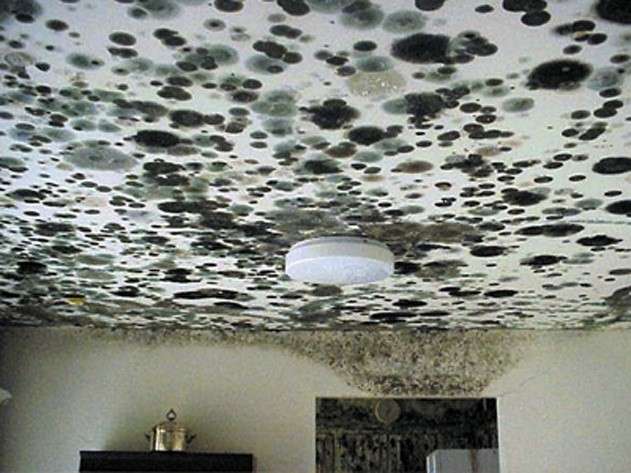
Identify issue areas in your house and fix them. You cannot mold-proof your house, but you can make it mold-resistant. Do an audit of your house: where are the issue locations? Does the basement flood? Do you discover frequent condensation on an upstairs window? Is there a water stain on the ceiling from a consistent leak? Avoiding mold from growing or spreading out might be as basic as ripping up carpet in a wet basement, installing mold-resistant items, or fixing damaged gutters. Or it might refer a large mold remediation task, major excavation and/or waterproofing. Whatever the case, deal with the problem now. It might cost some cash in advance, but it will certainly be more pricey down the road if mold continues to grow uncontrolled.
Run filters. In addition to vacuuming, running filters or air purifiers in your home will likewise help to remove mold spores in the air. Filters can be especially useful in wet locations like bathrooms, crawl spaces, and attics, in addition to near entrance ways like doors and windows. HEPA filters are among the most reliable filters, and are able to get rid of over 99 percent of toxins from the air.
Finally, inform yourself on your region’s climate– be it the cold and wet Northeast, the hot and damp South, the hot and dry Southwest, or the cold and dry West– and how it reacts to moisture. There is no one-size-fits-all option when it pertains to mold prevention. Understanding what works for your environment and your home is an essential initial step.
Use exhaust fans and vents. Exhaust vents are very important in lots of spaces in your house, consisting of the cooking area, bathroom, and laundry room. In the kitchen and bathroom, switch on exhaust fans anytime you prepare or bathe. In the laundry room, ensure the drier is being vented to the outside. You should likewise make certain that your crawl space and basement are properly ventilated. If the air isn’t distributing enough, set up vents or fans. Otherwise, there might be a need for future crawl space or basement mold removal.
Mold growth, which often appears like spots, can be many different colors, and can smell musty. If you can see or smell mold, a health risk might exist. You do not need to know the type of mold growing in your home, and CDC does not advise or carry out routine tasting for molds. No matter what type of mold is present, you must remove it. Considering that the result of mold on people can differ considerably, either because of the amount or kind of mold, you can not rely on sampling and culturing to know your health risk. Likewise, excellent tasting for mold can be costly, and standards for judging what is and what is not an acceptable amount of mold have actually not been set. The best practice is to get rid of the mold and work to prevent future development.
has covered home enhancement and green living topics for HGTV.com, FineLiving.com, and FrontDoor.com. She has actually also composed for lots of nationwide and local publications in more than a years of freelancing.
Generally, the post states that there are no scientific research studies that show molds are unhealthy at normal indoor levels. Responses to molds that have actually been recorded are: allergic actions, small irritant impacts and infections in individuals with impaired body immune systems.
Mold is a type of fungus that reproduces by releasing tiny spores into the air. These spores are naturally present outdoors but can easily enter indoor environments. Once indoors, if conditions are right—specifically ample moisture, warmth (ideally between 77°F and 86°F), and organic material to feed on—these spores can germinate and form visible colonies.
Preventing mold growth is crucial because it can have serious implications for indoor air quality, overall health, and the structural integrity of a home or business. While some molds are relatively harmless, others can trigger allergic reactions, exacerbate respiratory conditions like asthma, and even lead to costly repairs if left unchecked. Proactive prevention helps create a safer, healthier indoor environment.
Mold requires specific conditions to thrive. The single most critical factor is moisture, which can come from various sources such as rain leaks, plumbing issues, or high indoor humidity. Temperature also plays a role, with most molds preferring temperatures between 77°F and 86°F (25°C to 30°C), though many species can adapt to cooler environments. Mold also needs an organic material to feed on, commonly found in building materials like wood, drywall, and even dust in carpets. Finally, poor ventilation creates an ideal indoor environment for mold, as it traps moisture in surfaces and the air, allowing spores to settle and grow.
Recognizing early signs of mold growth can prevent minor issues from becoming significant problems. Key indicators include:
If any of these signs are noticed, it’s wise to take immediate action, which may include further investigation or contacting professional mold remediation services.
Preventing mold primarily involves managing moisture and creating an environment where mold cannot thrive. Effective strategies include:
It’s wise to inspect problem areas like bathrooms, basements, and attics every few months. After significant water events (e.g., heavy rains or floods) or in regions with high humidity, a prompt check is highly recommended.
Many preventive measures, such as controlling humidity, ensuring proper ventilation, and addressing small leaks, can be performed by homeowners and business owners without professional help. However, if you detect extensive mold growth, have persistent health concerns related to mold, or are unsure about the source of the problem, professional consultation and remediation services are strongly advised to ensure the mold is effectively and safely managed.
No, mold does not only grow in older homes. While older homes might have more issues with leaks, outdated insulation, or less efficient ventilation systems, mold can grow in any building if the necessary conditions—moisture, warmth, and organic materials—are present. Modern homes are not immune; poor ventilation, unexpected plumbing leaks, or even design flaws that trap moisture can create ideal environments for mold growth. The age of the building is less of a factor than the presence of the conditions that favor mold.
For minor mold issues or small, isolated spots (e.g., a few square feet), you can attempt to clean it yourself. Use an appropriate cleaning solution with antifungal properties and a scrubbing brush. It’s crucial to wear proper personal protective equipment, such as gloves and a mask, to prevent exposure to spores.
However, professional help is necessary in several situations:
Professionals can accurately identify the source of the mold, safely remove it, and implement lasting preventive measures.
Maintaining a mold-free environment is an ongoing process, not a one-time fix. Both homeowners and business owners should establish an annual schedule for inspections and maintenance.
For Homeowners:
For Business Owners:
Establishing these practices and staying vigilant contributes significantly to a healthier indoor environment and protects property investment.